

Photography and imaging, Technique and Technology
Monday, June 30, 2025


Friday, March 14, 2025
Santa Cruz Photography

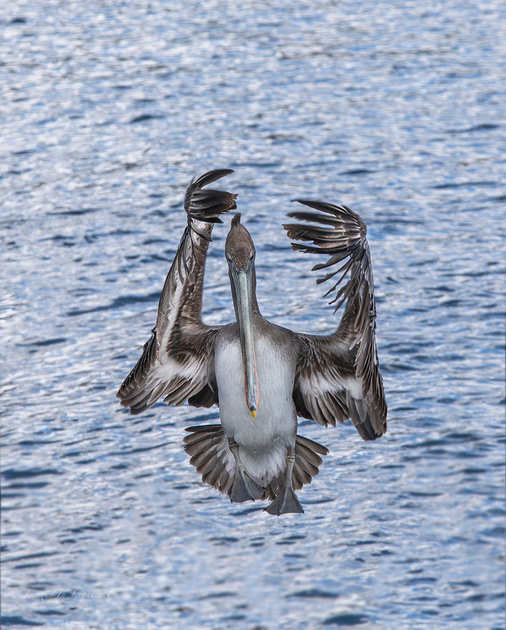

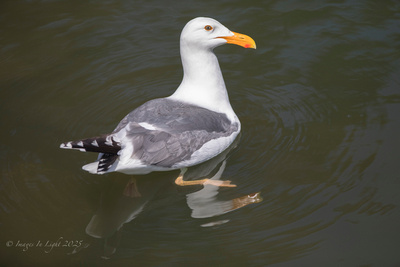


Santa Cruz is a great place to live. A small central coast town, far enough away from the big cities to enjoy scenes like this. It resides at the top of Monterey Bay about 40 minutes from Carmel by the Sea and about 1 1/2 hours from San Francisco, a natural abundance of sea life and an idyllic Mediterranean climate make it a nature lovers paradise, giant schools of anchovy and huge flocks of Shearwater, arrive every year along with migrating whale and local super pods of dolphin up to 3000 strong.
Best
Ross
Thursday, February 27, 2025
Wednesday, February 19, 2025
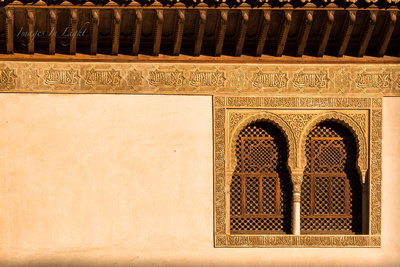
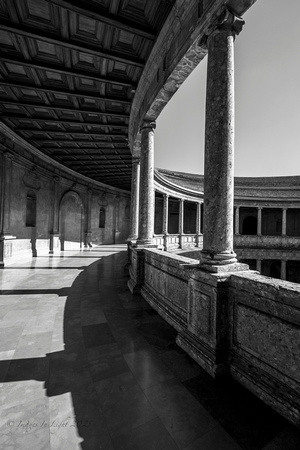
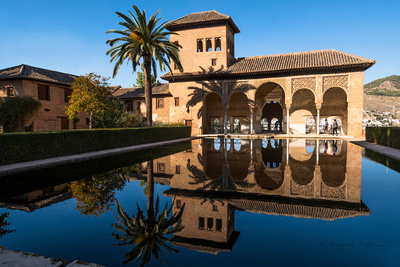
Loba ibérico

Street art in Andalucia, Spain
-
Fuji XT-2, XF16-55 f2.8 LM WR
Street art is a favorite of mine to shoot, I love this piece we came
across in an alley in Andalusia Spain in 2017.
Best
Ross
Monday, April 1, 2019
Super Bloom
Carrizo Plain National Monument

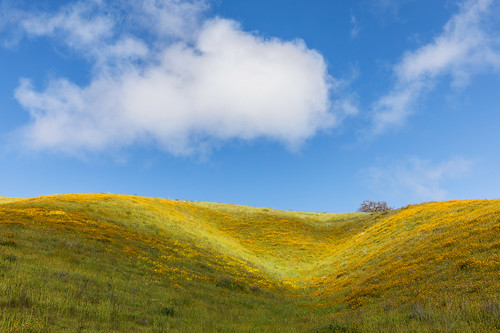
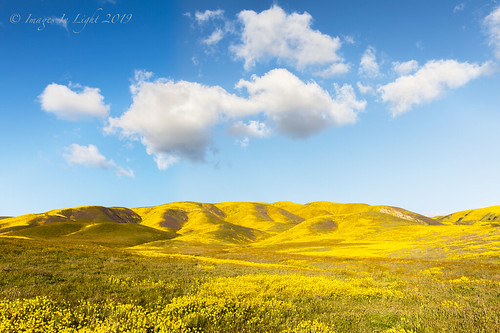
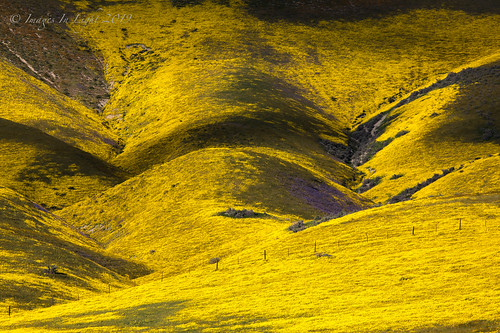
Images: Canon 5D Mk IV, EF 70-200 f4 L IS, EF 24-70 f2.8 L II
Mother nature puts on a show at Carrizo Plain National Monument in Central California. I have never seen this kind of display of flowers in all my years of photography and seeking out this kind of spectacle. Lots of rain last year germinated a lot of seeds and sunshine at the right time made them explode. Entire hillsides completely covered in flowers.
Bureau of Land Management
Ross
Images In Light
Thursday, February 14, 2019
New EOS RP from Canon
Canon starts to double down on its 'R' system with the EOS RP at $1300


See the EOS RP specs and more here at DPreview
Canon/Imaging Resource interview here
Canon shows new lenses


The system quickly grows, Canon is making sure the Pro lenses are there for users that require the Pro level lenses. This is going to be very interesting. The RF 70-200 f/2.8 shows what the advantage of this system will be like. Having a 70-200 f/2.8 at that size is a great advantage in size and weight over their legacy system.
See DPreview here
Ross
Images In Light


See the EOS RP specs and more here at DPreview
Canon/Imaging Resource interview here
Canon shows new lenses
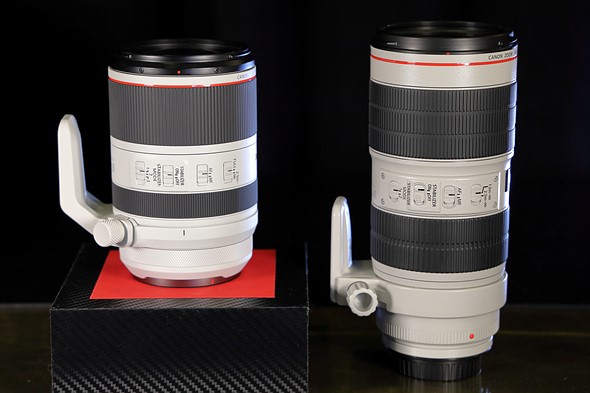


The system quickly grows, Canon is making sure the Pro lenses are there for users that require the Pro level lenses. This is going to be very interesting. The RF 70-200 f/2.8 shows what the advantage of this system will be like. Having a 70-200 f/2.8 at that size is a great advantage in size and weight over their legacy system.
See DPreview here
Ross
Images In Light
Thursday, September 6, 2018
Fuji X-T3


Fuji announce the X-T3
- 26 MP BSI X-Trans sensor
- 4K 60p
- MPEG-4, H.264, H.265
- ISO: Auto, 160-12800 (expands to 80-51200)
- Continuous drive 20.0 fps (ES) 11 fps (MS)
The X-T3 may look the same, but under the hood it is improved across the board. Fuji site.
Wednesday, September 5, 2018
Canon EOS R


Interesting entry level full frame mirror-less, pro version coming soon. I think we can assume the pro version will have the the missing elements that we don't see here. AF point toggle for starters, rear control dial, dual card slots...... The control ring added to the lenses looks very interesting. Canon looks to be on the right track. Now give me a 45mp pro version and I'm in. : )
Thursday, August 23, 2018
Nikon Z7 and Z6 announced
At long last, Nikon has launched the Z7 and the Z6, the most interesting mirrorless cameras to date and perhaps, with it, the new age of mirrorless cameras.

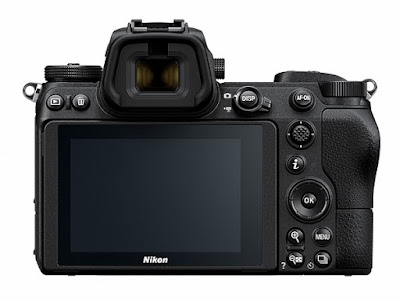


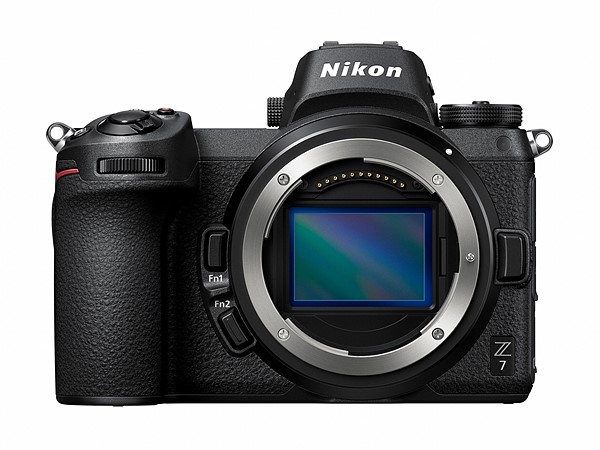

Nikon Z7

Nikon Z6
The new Z mount is the cornerstone of this system, with an eye towards fast prime lenses in the near future. Canon will follow shortly, however this looks like an amazing camera that I look forward to using. Is this the end of the DSLR? not yet, but its demise may be around the corner.

The Z mount road map

Friday, July 20, 2018
Perspective correction
Shooting from a boat is never easy, tripods are ruled out pretty much and faster shutter speeds are needed to prevent blurred images. Inevitably you end up with tilted horizons, add that to perspective issues and you have a recipe for bad images.

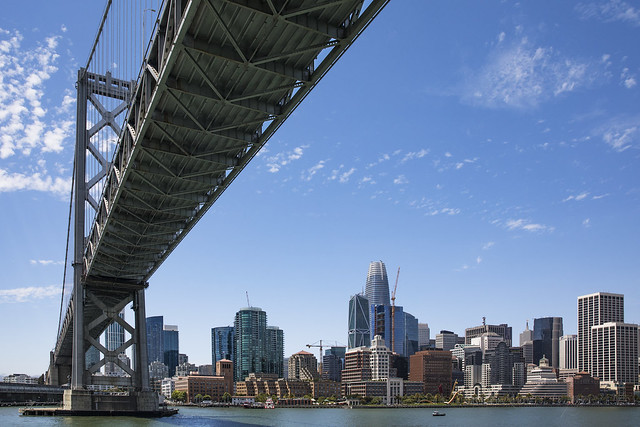
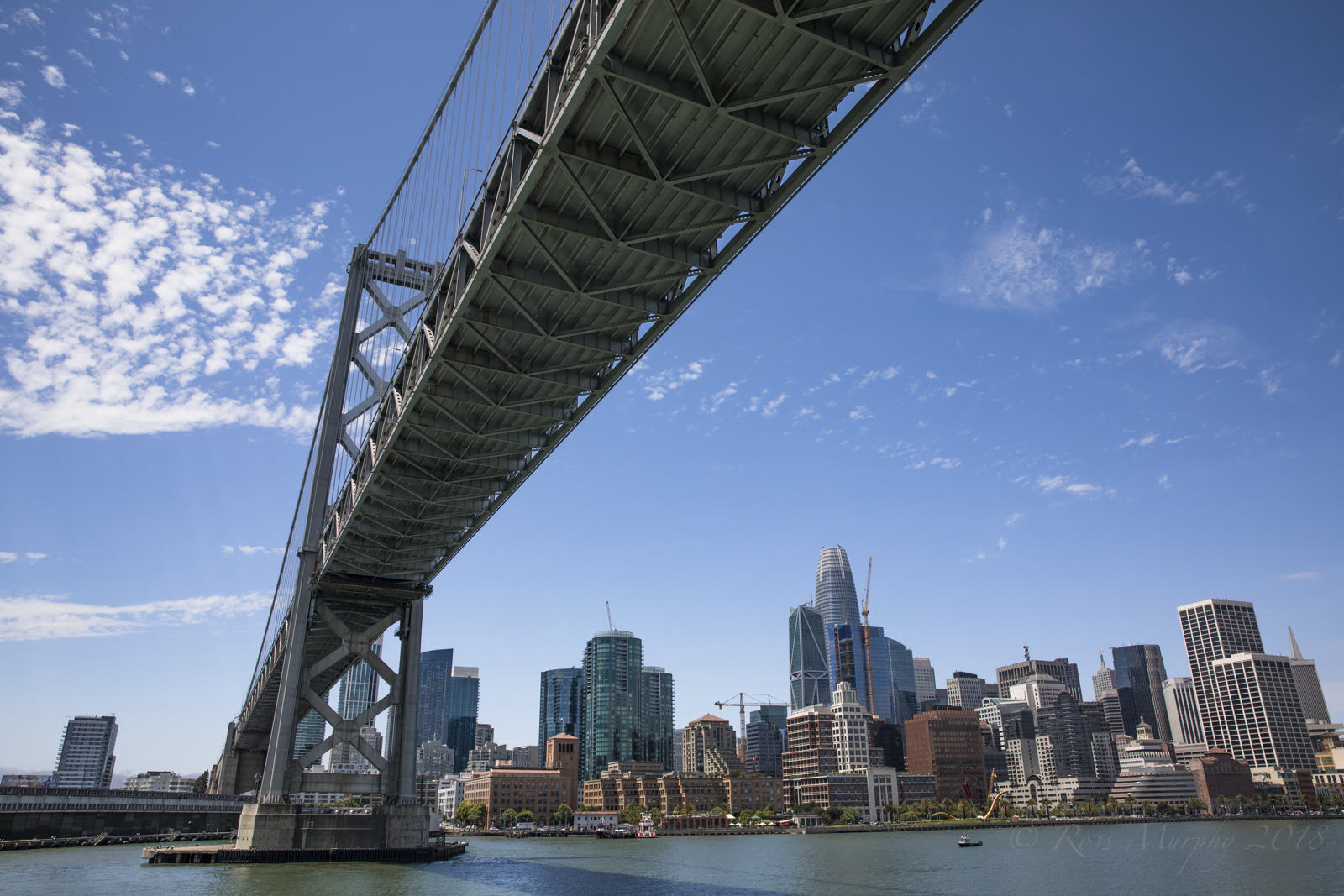
5D Mk IV, EF 24-70 f/2.8 L II, f/10, 41mm, 1/250 sec
before correction
before correction
Same image as above after correction
When shooting tall vertical objects, converging vertical lines can be a problem, as you can see in the top image, the vertical lines converge towards the upper center of the image. I used Lightroom's Transform module to correct this image. When using the Transform module you have to be careful not to over correct, if you do a lot of correction, resolution will be lost. I tend to not use auto correct. For this I used vertical and a small amount of horizontal. I lost some resolution and sharpness, however, the sharpness was brought back with Photo shop, using a mask on just the man made objects and applying a smart sharpen filter.
Its a pretty amazing tool and I will use it for all converging vertical and horizontal lines. This is also an argument for higher resolution sensors, with more resolution, you are able to do more correction, assuming you left enough space around the image that may be removed by correction.
Its a pretty amazing tool and I will use it for all converging vertical and horizontal lines. This is also an argument for higher resolution sensors, with more resolution, you are able to do more correction, assuming you left enough space around the image that may be removed by correction.
Ross
Tuesday, June 12, 2018
New 70-200 f/4 and f/2.8 lenses
Canon releases two new lenses that are sure to delight anyone in the system. I will be getting the f/4 version myself, I use it a lot for landscape and event work. The f/2.8 will be a super nice lens, but weight is a factor for me, if you are doing studio and or portrait work though, the f/2.8 will be a killer solution.


Canon EF 70-200 f/4 IS II

Canon EF 70-200 f/2.8 IS III
With better optics, lens coatings and image stabilization, you can't go wrong getting either of these lenses, its just choosing which best suits your needs.
DPReview 70-200 f/2.8 here
DPReview 70-200 f/4 here
Ross
Thursday, February 15, 2018
Fuji X-H1 announced

Bigger grip, more robust build

Better ergonomics

IBIS sensor stabilization
Fuji's newest flagship camera the X-H1, IBIS, a better build and what appears to be better ergonomics makes for a nice addition to the lineup. More video-centric than any other Fuji camera before it, it is targeted at the videographer, but will make an excellent stills camera. The top LCD is welcomed, trickle down from the GFX.
Not a new battery is very disappointing!
Larger improved grip, with larger and hopefully stiffer buttons and dials along with the top LCD, should make for more intuitive use.
Not much of an upgrade from the X-T2, but the Flagship going forward, I am quite surprised the sensor is not new. I guess we will see that in the X-T3.
Specs:
- 24.3MP X-Trans CMOS III Sensor with primary color filter and X-Processor Pro Processor
- 5-axis 5.5 stops in-body image stabilization
- High-precision 0.5 inch, approx. 3.69 million dots OLED Color Viewfinder
- Weather-resistant design; ability to operate in temperatures as low as 14°F/-10°C
- ISO Sensitivity
o Standard output: AUTO1 / AUTO2 / AUTO3 (up to ISO12800) / ISO200~12800 (1/3 step)
o Extended output: ISO100/125/160/25600/51200 - LCD Monitor
o 3.0 inch, aspect ratio 3:2, approx. 1.04 million dots touch screen color LCD monitor(approx. 100% coverage) - Continuous Shooting 14.0 fps (with the Electronic Shutter), 8.0 fps (with the Mechanical Shutter)o 11.0 fps (with the Mechanical Shutter and when fitted with VPB-XH1)
- Movie Recording (using a card with the UHS Speed Class 3 or higher)
o [4K (4096×2160)] 24P / 23.98P up to approx. 15min.
o [4K (3840×2160)] 29.97P / 25P / 24P / 23.98P up to approx. 15min.
o [Full HD (1920×1080)] 59.94P / 50P / 29.97P / 25P / 24P / 23.98P up to approx. 20min.
o [HD (1280×720)] 59.94P / 50P / 29.97P / 25P / 24P / 23.98P up to approx. 30min.• Bluetooth® Ver. 4.0 low energy technology - New ETERNA film simulation mode
o Simulates cinematic film, understated colors and rich shadow tones - New Flicker Reduction Mode
o Provides stable exposure during burst shots even under fluorescent and mercury lighting - Advanced filters and Film Simulations, including ACROS
- Accessories included:
o Li-ion battery NP-W126S
o Battery charger BC-W126
o Shoe-mount flash unit EF-X8
o Shoulder strap, Body cap, Strap clip, Protective cover, Clip attaching tool, Hot shoe cover, Vertical Power Booster Grip connector cover, Sync terminal cover, Cable protector, Owner's manual
Fuji site
Reviews:
DPReview first impression's here
Peter Delaney photography here
Jonas Rask photography here
The phoblographer here
Imaging Resource here
Ross
Images In Light
Tuesday, January 2, 2018
Wednesday, November 29, 2017
More on Fuji Black and White
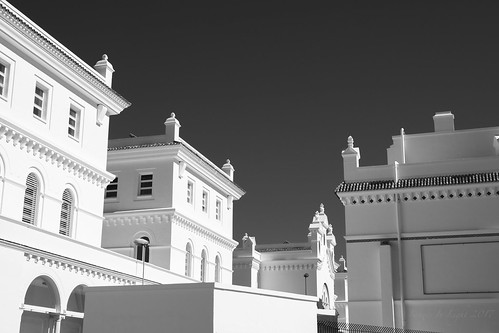
Cádiz, Spain
Fuji XT-2, XF 16-55 f/2.8 R LM WR, f/9, 1/640, 30mm
Vivid blue sky and bright white buildings create a perfect setting for black and white images. Processed in lightroom from RAW, I love the simplicity of images like this, Fuji files allow for pushing the blue almost to black in Post, giving me a super high contrast.
I tried Acros presets but my standard process in Lightroom worked better here, very little ghosting at edges and deep contrast helped keep a nice clean image.
More images from Fuji here
Ross
Wednesday, November 8, 2017
Cordoba Spain, travel photography with Fuji

Fuji X-T2, XF 16-55mm f/2.8 R LM WR
f/4, 1/35 sec, iso 3200, 47mm
Córdoba, located in south central Spain, about 3 hours south of Madrid, once a Roman city, then a Moorish ruled caliphate and now a beautiful Spanish city. Full of surprises, wonderful architecture, delightful people and with today's ability to use Airbnb, an affordable destination spot on your way to Andalusia. We stayed in a penthouse suite in the old town not far from The Mezquita for $66 per night.
the Historic Center of Córdoba that was declared a World Heritage site by UNESCO in 1994.
the Historic Center of Córdoba that was declared a World Heritage site by UNESCO in 1994.
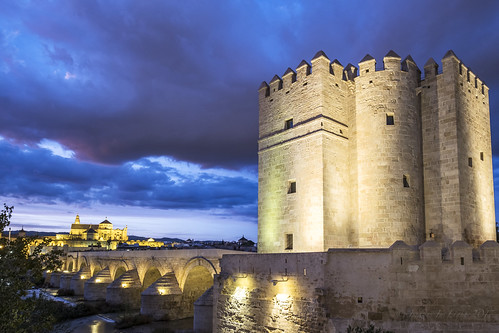
Fuji X-T2, XF 10-24mm f/4 R OIS
Built in the 1st century BC, the Roman bridge crosses Guadalquivir river, leading in to the Barrio de la Catedral. A short walk from the Cathedral, the Roman Bridge of Cordoba and its Calahorra tower, which was added by the 16th century.
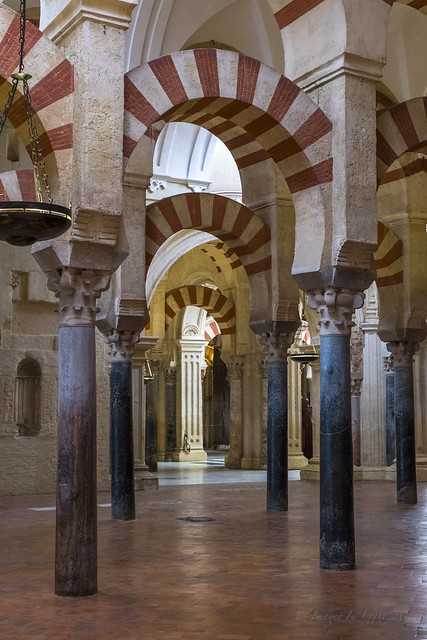
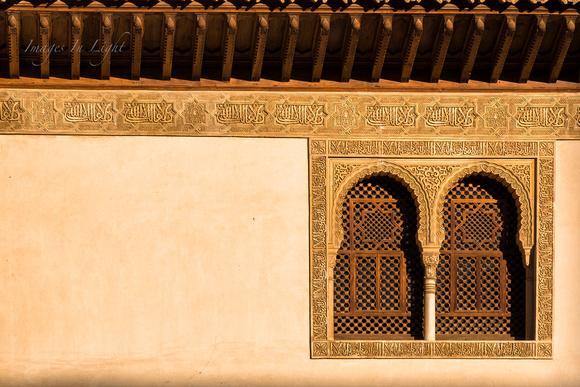
"The Mosque–Cathedral of Córdoba(Spanish: Mezquita-Catedral de Córdoba), also known as the Great Mosque of Córdoba (Spanish: Mezquita de Córdoba) and the Mezquita, whose ecclesiastical name is the Cathedral of Our Lady of the Assumption (Spanish: Catedral de Nuestra Señora de la Asunción), is the Catholic cathedral of the Diocese of Córdoba dedicated to the Assumption of the Virgin Mary and located in the Spanish region of Andalusia. The structure is regarded as one of the most accomplished monuments of Moorish architecture."
In 784 Abd al-Rahman I
ordered construction of the Great Mosque, which was considerably
expanded by later Muslim rulers. Córdoba returned to Christian rule in
1236 during the Reconquista, and the building was converted to a Roman Catholic church, culminating in the insertion of a Renaissance cathedral nave in the 16th century.
Subscribe to:
Posts (Atom)