Showing posts with label ef 24-70 f/2.8L II. Show all posts

Tuesday, September 29, 2015

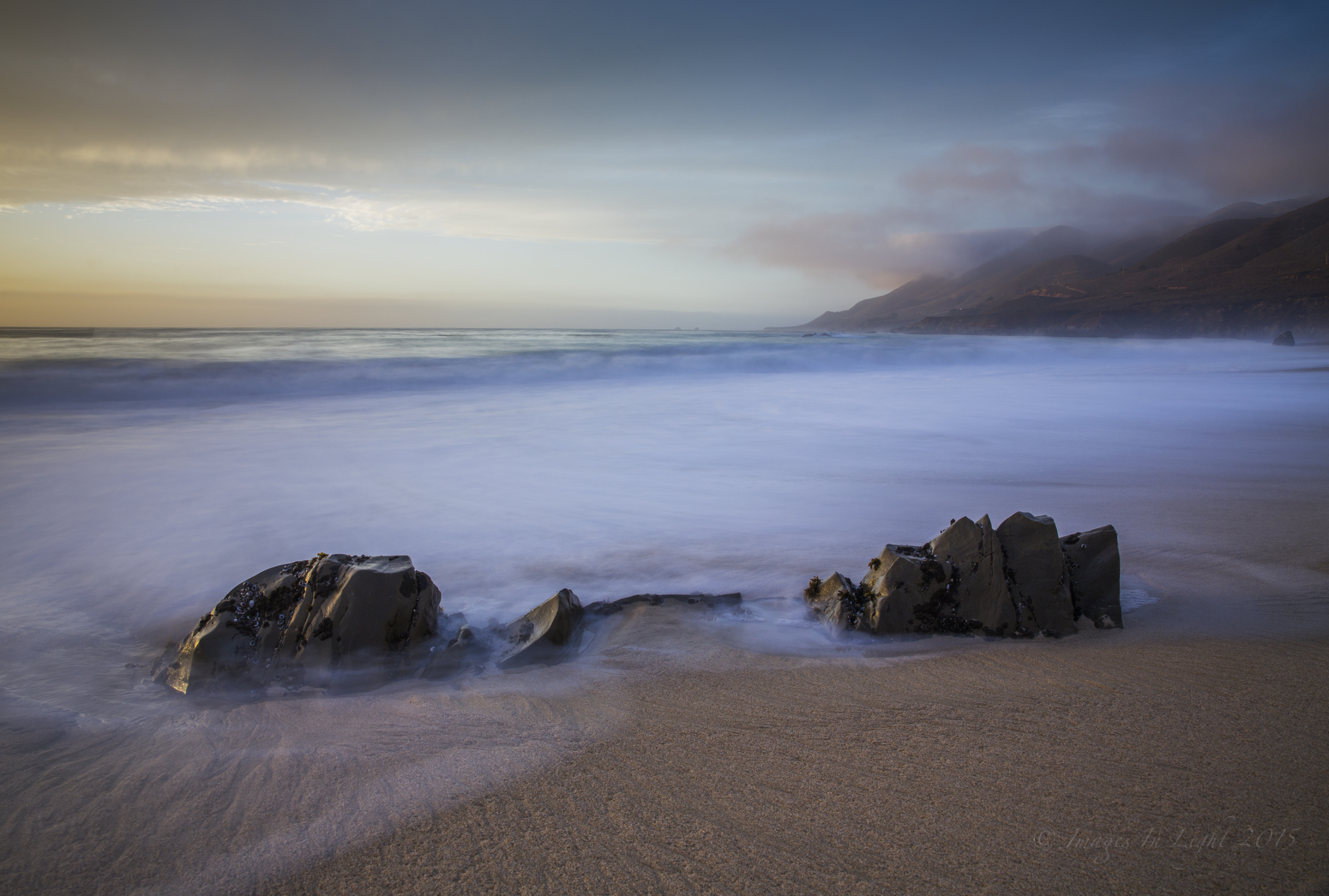
Capturing Atmosphere


Coastal California

5D Mk III, 24-79 f/2.8 L II, Lee Little stopper
f/11 at 2 sec

This was an interesting scene, when we arrived it was a hazy/foggy late evening and the atmosphere was not something I thought I was going to be able to catch, often times unsettled air does not allow for good images. Here I feel like I was able to capture the atmosphere of that moment and the long exposure helped, giving it a more dreamy look with the blurred waves.

Ross

Images In Light

Wednesday, September 23, 2015

Monochrome

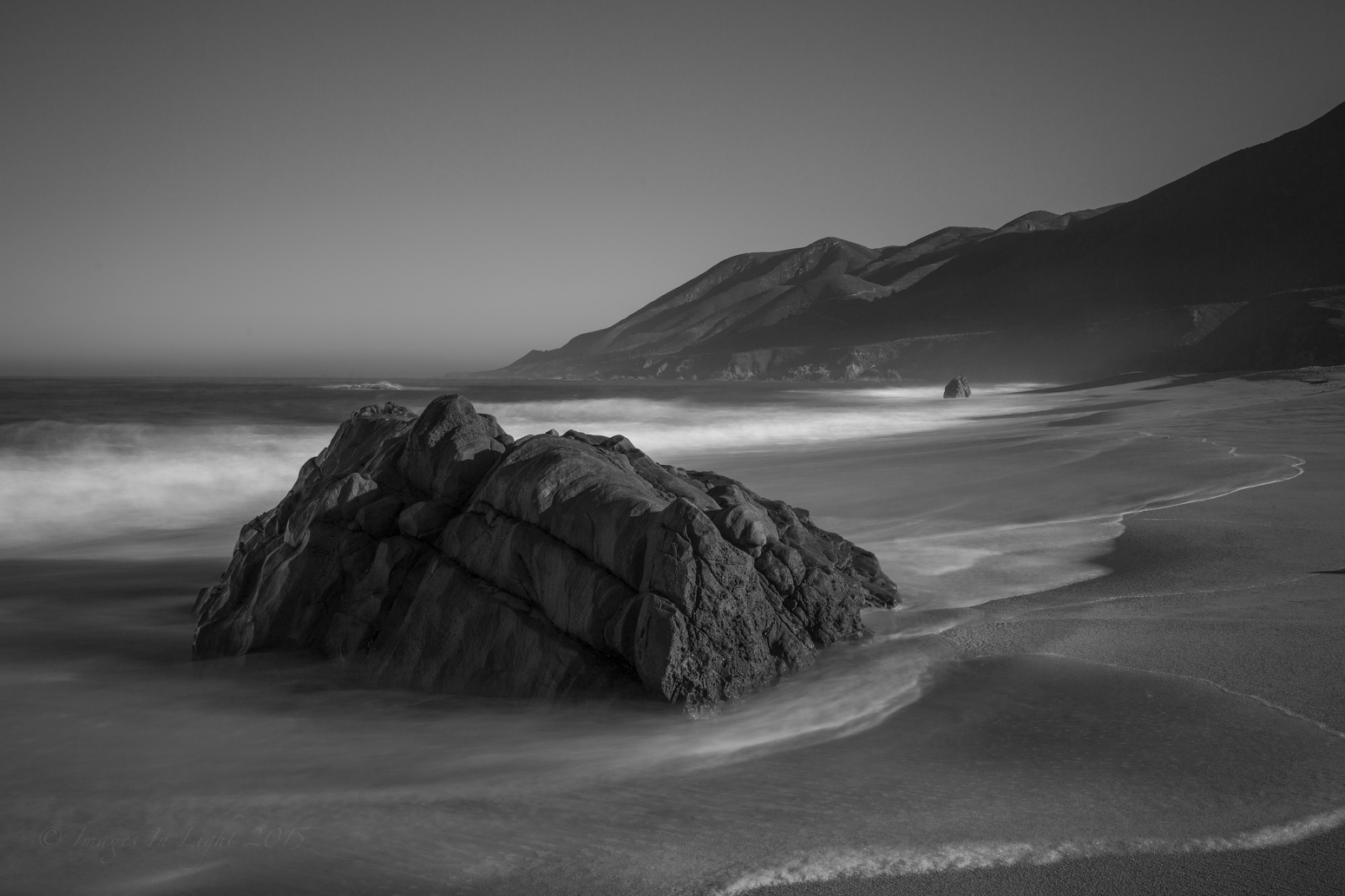
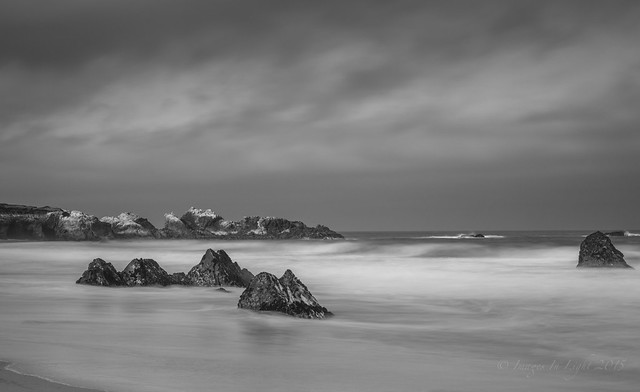
5D Mk III, EF 24-70 f/2.8 L II, Lee 10 stop ND filter, 5 sec at f/11.
Garrapata Beach

Black and White conversion done in Lightroom. I feel sometimes monochrome images can better convey mood than color and at other times color more efficiently tells the story. Regardless, telling the story is the key to an image, not what camera or what software was used. Composition and understanding of how your camera works are far better than your cameras ability to recover shadows or print large.

Ross

Tuesday, July 21, 2015

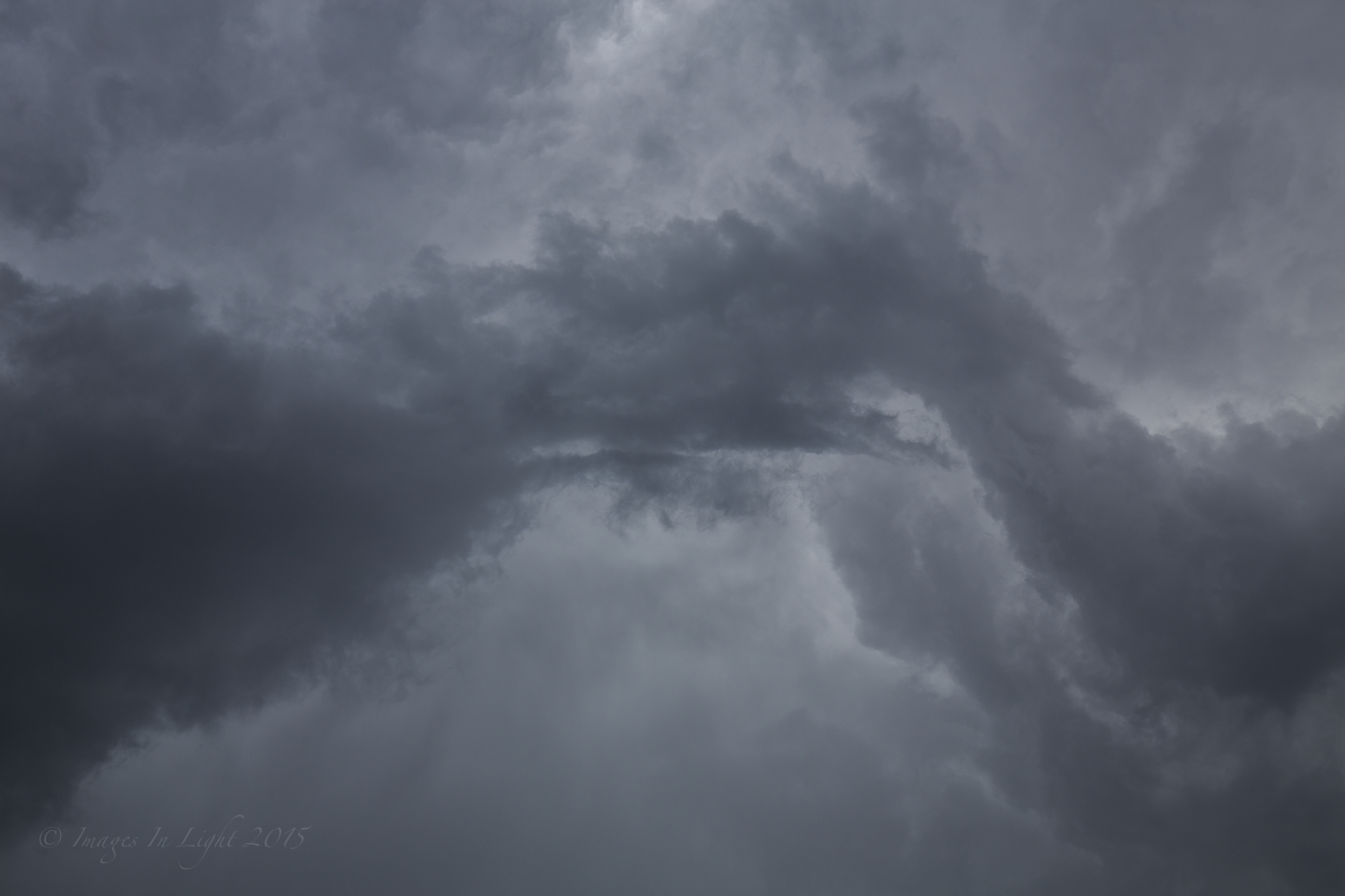
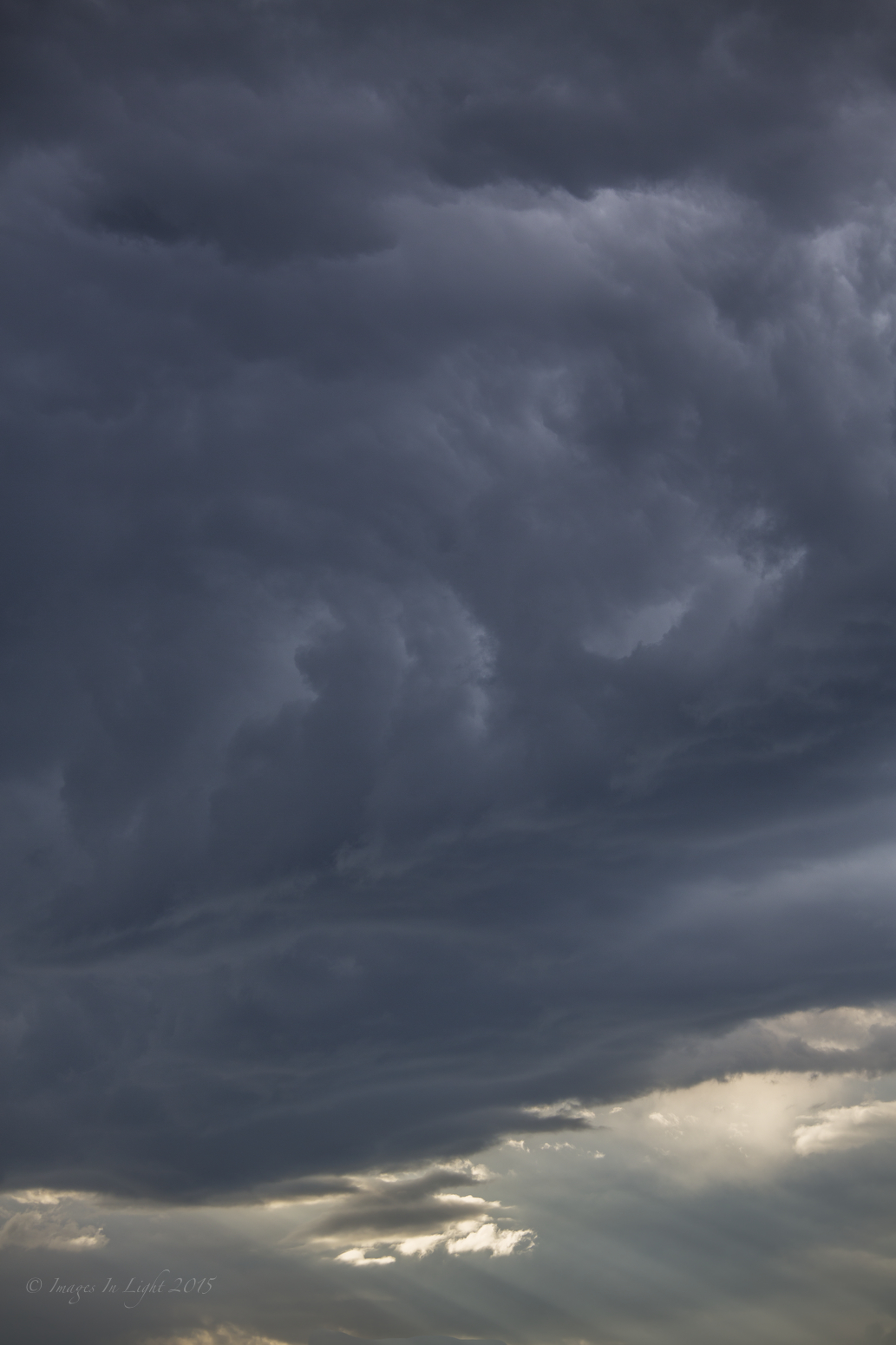
Stormy Weather


LR-0126_Ross_Murphy_201501

 5Dmk III, 24-70 f/2.8 L II, f/9, 1/125 sec, 35mm hand held

Ominous

5Dmk III, 70-200 f/4 L IS, f/4, 1/800 sec, 100mm hand held

LR-0168_Ross_Murphy_201501

 5Dmk III, 24-70 f/2.8 L II, f/10, 1/160 sec, 35mm hand held

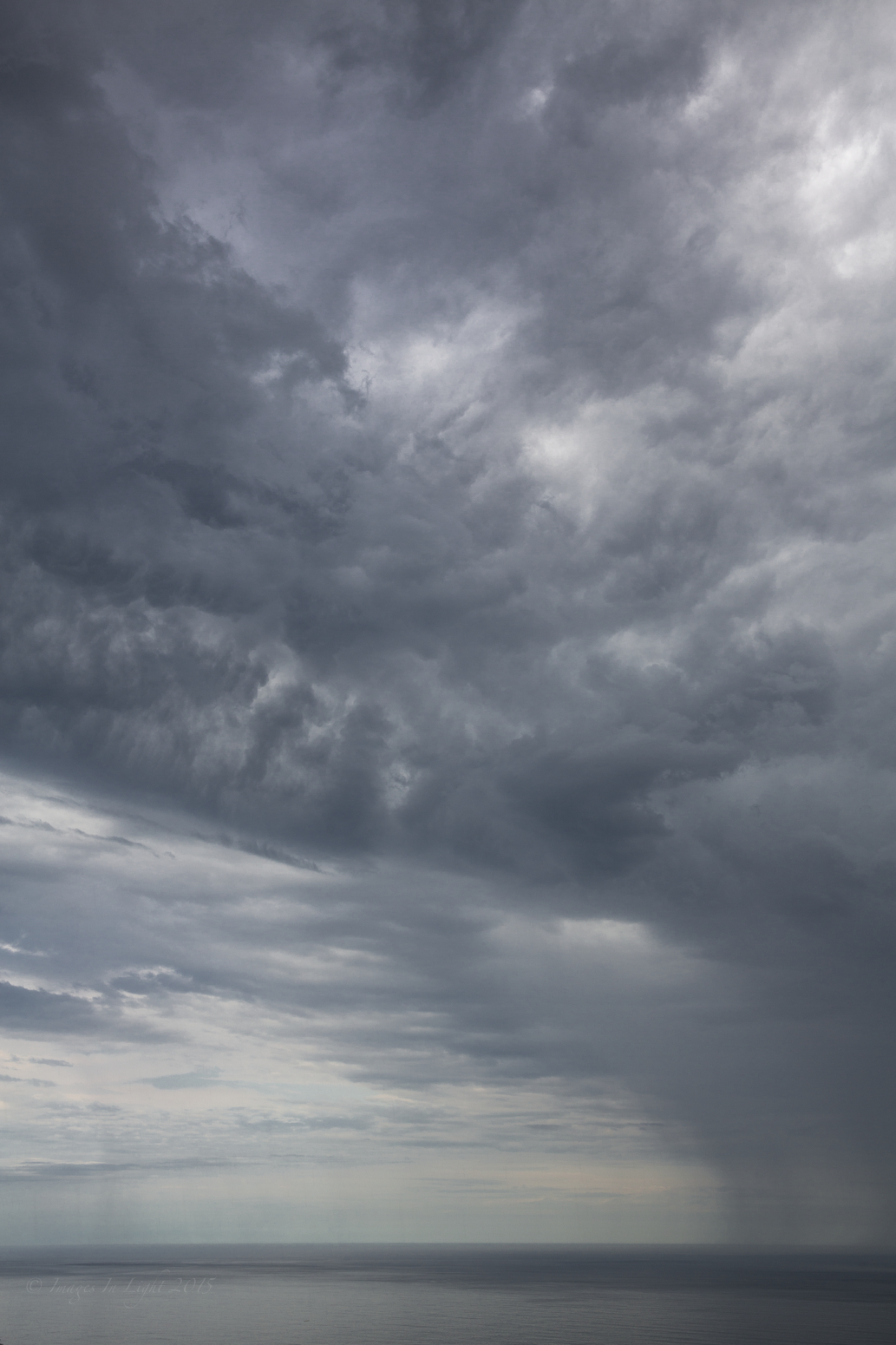
I love shooting weather, one of these days I'll go storm chasing in the Midwest and chase some real weather, until then I will have to work with the occasional hurricane remnant that works its way up from Mexico like this one last weekend in Big Sur. 

I head out whenever possible if weather is in the forecast, the next trip to Yosemite will be based on that. Incoming weather is always a good opportunity for landscape photography, it sets a mood that sunny blue sky's just can't do. Ideally it happens at sunset or sunrise, adding that wonderful light to a moody sky.

Ross

Wednesday, May 13, 2015

Garrapata Beach

Garrapata Beach

Image: 5D Mk III, 24-70 f/2.8 L II, Lee Big Stopper, f/11
Garrapata Beach

Adding to my series, Coastal California. Garrapata Beach, just on the north end of  Big Sur,  a beautiful and more remote beach on the California coast, by remote I mean not crowded at 7:00am on the weekend.

The start of one of the most rugged and beautiful locations on the West coast, Garrapata is just south of Carmel, Big Sure stretches south roughly 90 miles and 20 miles inland. Many photographers have spent their lives documenting this area, with spectacular results.

Being new to the area I hope to capture something new and interesting, I know I could explore the area for years. The area is lined with coastal and rugged mountain trails, flowers abound in the spring, stunning beach's dot the coastline, art galleries and restaurants fit neatly into curves high above the ocean on highway 1 as it meanders its way south to San Simeon.

More soon from Big Sur.

Ross 

Friday, April 3, 2015

Incidental Black and White

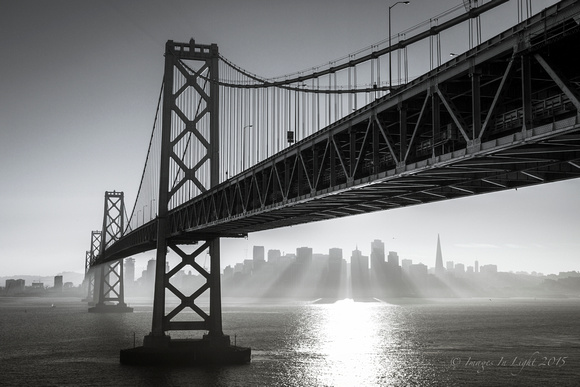
The Bay Bridge: 5D Mk III, EF24-70 f/2.8 II L

Its not always easy to see in black and white, I use my iPhone 6 sometimes for visualizing what a scene may look like in black and white, when I set it to B and W it is a very useful tool for that.

The City by the Bay image above was a super high contrast scene that had little color other than the very bright sun, it made an ideal setting for black and white photography. My initial thought was to wait for sunset and shoot a low light scene, but this light presented itself to me, so I walked down the bank until the bridge blocked the sun and revealed the the beams that where initially hidden by the veiling glare of the bright sun.

Metering in live view helped to reduce the contrast so I could reveal detail in the bridge and still have the light beams highlighted on the city.


Another image I didn't originally see in B and W. I like both
the color and the B and W versions.


More Black and White images here

Ross 

Sunday, January 25, 2015

Shooting the Bay Bridge

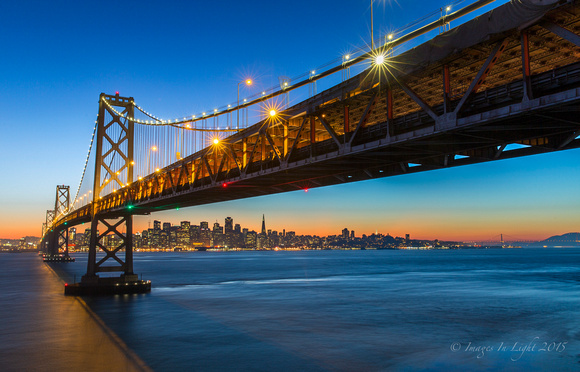
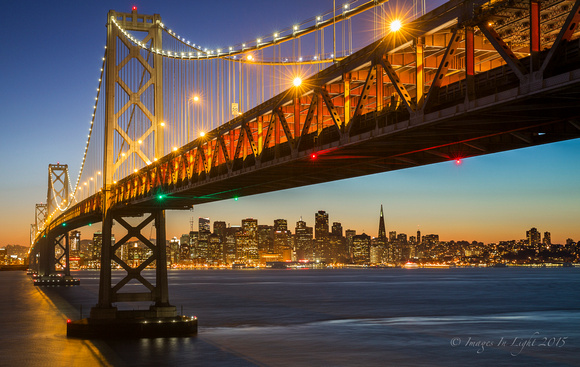
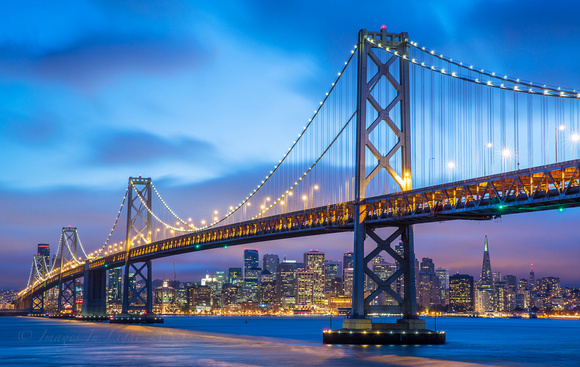
Bay Bridge, 5D Mk III, EF 24-70 f/2.8 L II, f/11

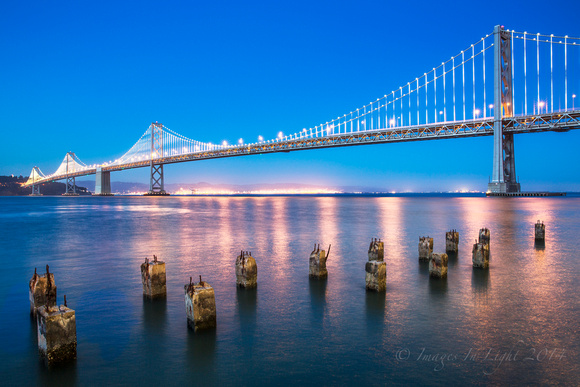
Bay Bridge, 5D Mk III, EF 24-70 f/2.8 L II, f/11

Bay Bridge, 5D Mk III, EF 24-70 f/2.8 L II, f/11

Its fun to get up close and wide on Treasure Island, getting to the location is not an easy feat, but worth the effort. Next I'd like to try super wide from the beach. Maybe with the new canon (rumored) 5Ds R and 11-24 f/4. I'm ready for higher resolution.
 
I can print these at 24 x 36 on metal prints, it would be nice to go to the next level, a 50 mp camera would do that.

Related Post and Here and Here

Ross 

Sunday, January 11, 2015

Looking for reflections


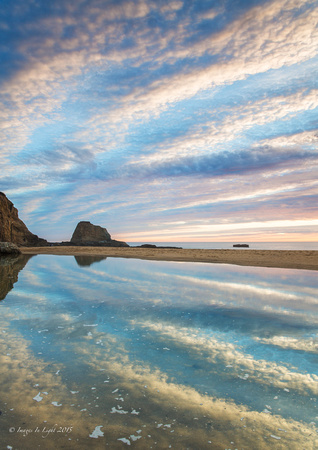
Panther Beach, 5D Mk III, EF 24-70 f/2.8 L II


Instead of doing the same old beach shot, look for tide pools and get down low and see if you get a decent reflection. Panther Beach is always a great place to shoot, just north of Santa Cruz, on this return trip I noticed a huge tide pool behind the beach and came away with some interesting images.

Ross 

Tuesday, December 2, 2014

Long Exposure in bright light


5D Mk III, EF 24-70 f/2.8 L II, 35mm, 8 sec at f/16, Lee Big Stopper


Shot mid day with the Lee Big Stopper, 10 stop neutral density filter. I was hoping for faster moving clouds to achieve the look I wanted, but this was a decent start. I will try some more in San Francisco in the next few weeks.

Its pretty cool to be able to shoot so slow on such a bright afternoon, it opens new doors and gives one a chance to try some new technique's.

The Big Stopper requires the Foundation kit to use.

Ross

Saturday, November 15, 2014

Photographing The Golden Gate Bridge


The Golden Gate Bridge from Horseshoe Bay
5D Mk III, EF 24-70 f/2.8 L II, Lee Big Stopper - f/11, 30 sec, 38mm.
Larger Image

Golden Gate from the Marin Headlands
Larger Image 

 Golden Gate from the Marin Headlands
Larger Image

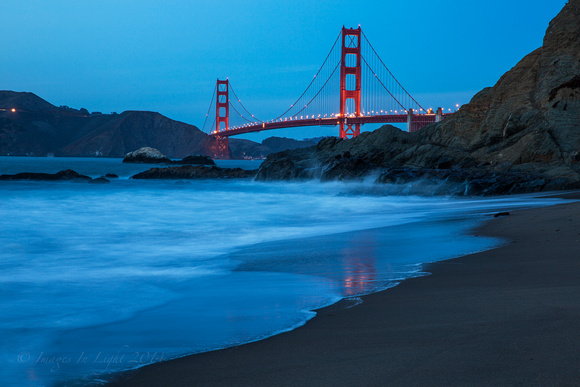
The Golden Gate Bridge from Baker Beach
5D Mk III, EF 24-70 f/2.8 L II - f/11, 6 sec, 70mm.
Larger Image


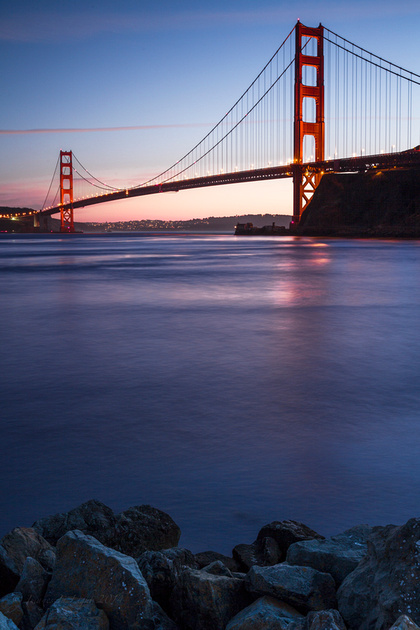
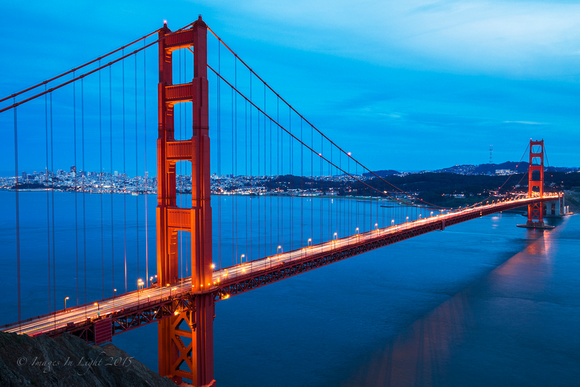
Shooting the San Francisco Icon. After living in the area for nearly six months now, I decided it was finally time to capture some images of the Golden Gate Bridge. My research showed the 4 best angles to shoot the bridge from, without using a boat or helicopter that is.  Baker beach, Marin headlands or Battery Spencer, Fort Point and Horseshoe Bay.

Now I need to finish all four locations and decide what I personally like the best, the crowds of tourists have kept me away from the Marin side, that seems to be where most people flock to. Baker beach and the Presidio are so far my choice due to light and foreground interest. Kirby Cove from the Marin side looks worth a hike down to the beach also.

Cable

From the bridge deck

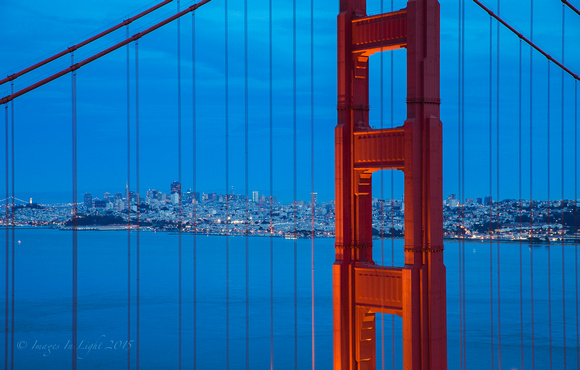
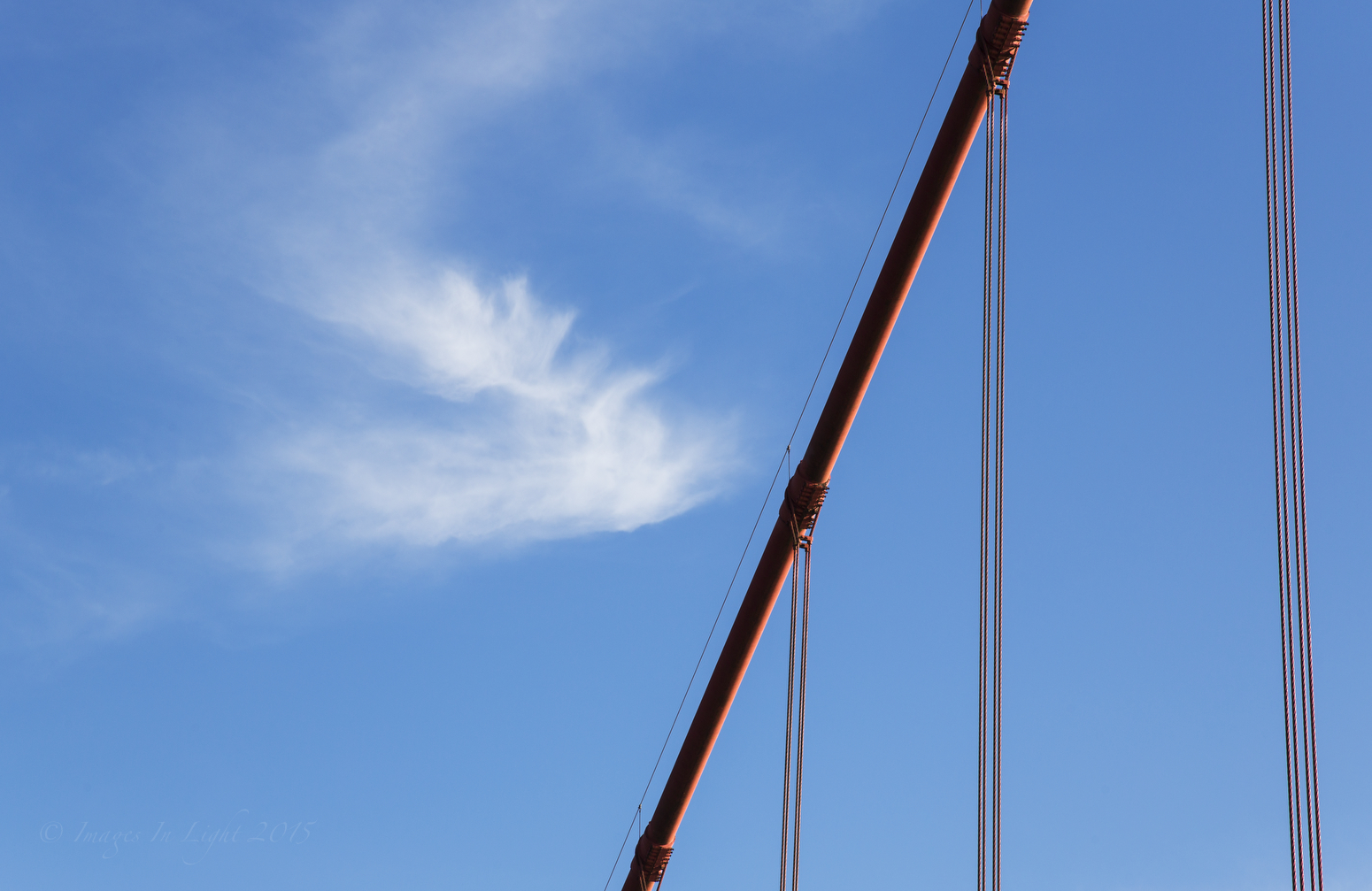
I will also try walking out on to the bridge at dusk and shooting up the towers with a telephoto lens, I have not seen much done that way. Also a tower shot with the city in the background would be nice to compliment my Bay Bridge Shot, incidentally I like shooting the Bay Bridge better.


The Bay Bridge
Larger Image


The Bay Bridge
Larger Image

Ross 

Wednesday, October 1, 2014

Perspective Correction

Larger Image

Image: 5D Mk III, EF 24-70 f/2.8L II, 24mm, f/11 at 1/60 sec.

Perspective correction is something we come up against whenever architectural elements are the subject matter of a photograph. This image of the lighthouse in Mukilteo is a good example. Looking at this image subjectively some will say the image should be fully corrected and some will say it would look un-natural that way. I believe a certain amount of distortion is acceptable and appears more natural.  

Other issues with correction are reduced resolution due to crop and sharpness loss from the correction itself, for these reasons I always try to minimize distortion correction, the original size of the image was 5760 x 3840 and the fully corrected image is 5399 x 3712, not a huge change. One last thing to keep in mind is your field of view, the fully corrected image lost a lot of foreground detail (flowers, pathway).


Lightroom5 lens correction panel - for fully corrected image


None corrected for perspective


Fully corrected for perspective

Ross

Sunday, August 31, 2014

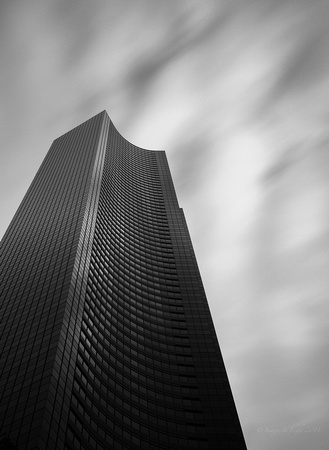
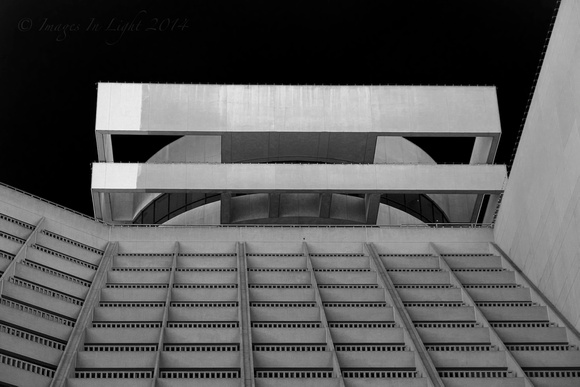
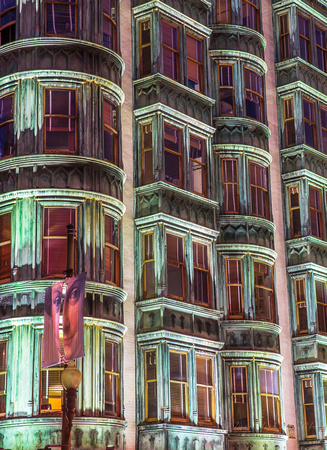
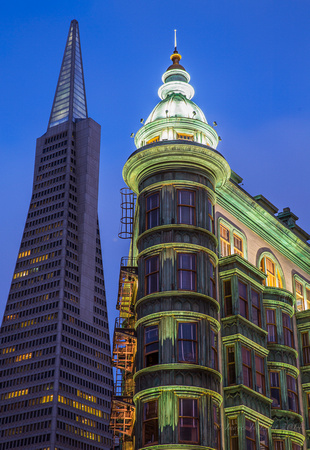
Architectural Perspective


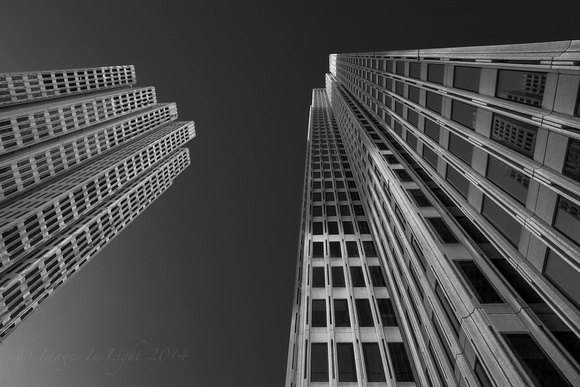
Its not always necessary to include the entire subject in your photo, sometimes an image takes on a life of its own when you don't include the expected. 

I enjoy the ability to shoot both Seattle and San Francisco these days,  and its given me a new vision of city scenes. Finding the individual subject and the abstract meaning in those subjects.


Ross

Images In Light

Sunday, August 24, 2014

City View

Image: 5D Mk III, EF 24-70 f/2.8 L II, 70mm, f/10, 20 sec.

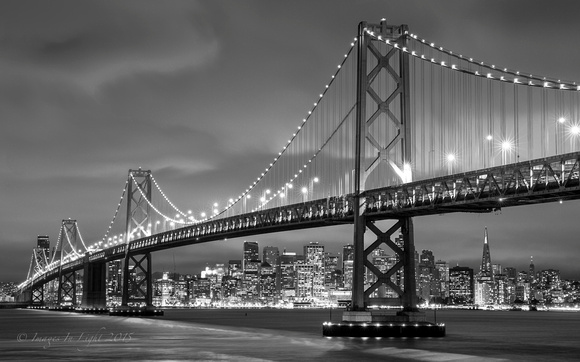
The Bay Bridge and San Francisco viewed from Treasure Island, probably one of the best, but also most obscure locations to view the city. Up off the beach on a crumbling hillside, on Treasure Island, not a very safe place to be putting a tripod down, especially after it gets dark and you need to traverse the hill with a headlamp.

Ross

Sunday, July 20, 2014

Friday, March 21, 2014

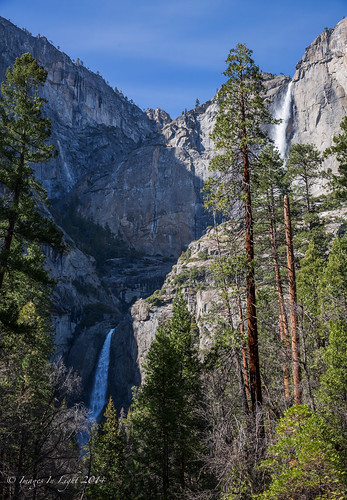
Shooting an Icon - Yosemite

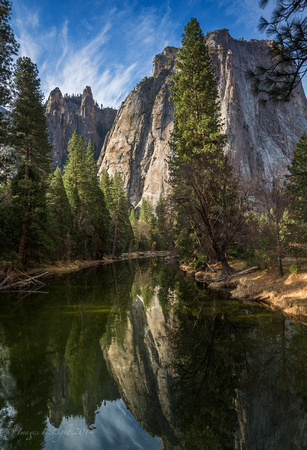
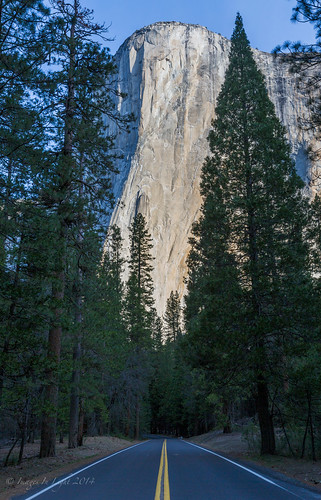
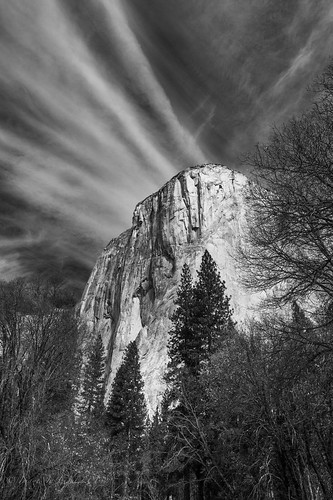
Image: El Capitan and the Merced, 5D Mk III, EF24-70 f/2.8, 16mm @ f/16.
Larger Image


Image: The Merced River, 5D Mk III, EF24-70 f/2.8, 16mm @ f/13.
Larger Image
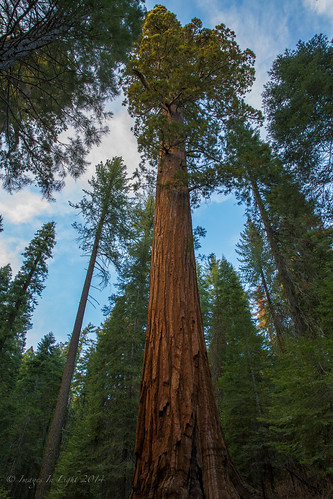
I have always wanted to go back to Yosemite, but I was kind of disappointed on this trip, perhaps I have seen to much of it in pictures ? at any rate the next time I return, it will be to the upper part that is less traveled, Tuolumne Meadows above Yosemite Valley, it has the beauty, less crowds and the wilderness feel that the lower valley lacks, a winter stop in the lower valley might be nice, if there was plenty of snow.

Upper Cathedral lake and the entire upper basin would make for a great trip on the way over to the Eastern Sierra and a trip up in to the Whitney Portal and Convict lake.

Mariposa Grove

To Camp 4


RossMurphy20140196


Yosemite Falls


Ross

Sunday, February 16, 2014

Adjusting White Balance

 Image: 5D Mk III, EF 24-70 f/2.8, 44mm at f/9, 30 sec
Global adjustment to 9107K

Original White Balance of 5950K, camera set to auto white balance

Global adjustment to 9107K local adjustment in Lightroom to sky of -28

I'm always pushing the merits of shooting RAW and white balance is a another reason to do so, the temperature of color is basically a layman's description and it can really only be adjusted in RAW. Light varies in temperature from cool to warm , an example would be LED light, compared to tungsten or midday sun to sunset, some times a camera can get fooled and that happens a lot with mixed light, similar to the above images that have the remaining light from the sun and the light from the bulbs on the pier.

A lot of cameras don't do well with indoor lighting and often have to be adjusted for white balance, our homes and offices are a mix of different light types and cameras get fooled more often than not in these situations. Shooting RAW and adjusting in post is the best way to get the right color from your system.

Ross

Images In Light

Wednesday, November 20, 2013

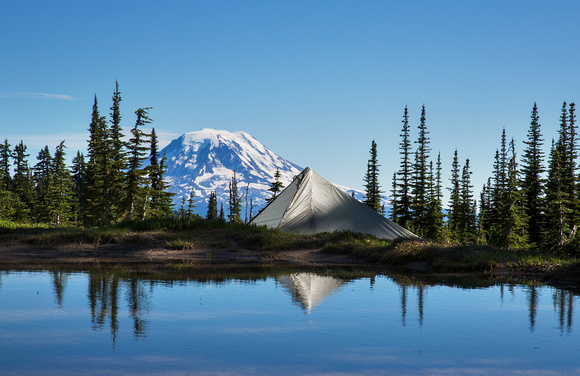
Best Campsite Photo Contest Winner

5D Mk III, EF 24-70, f/2.8 L II f/10 at 70mm

Backpacker Magazine Nov 2013


From our trip to the Goat Rocks Wilderness in July

Ross

Monday, October 14, 2013

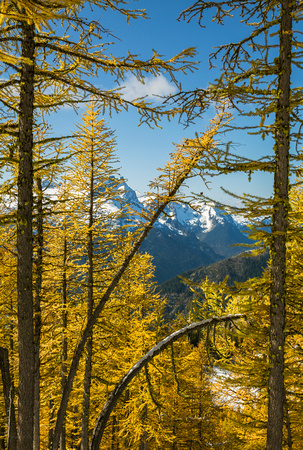
In search of Alpine Larch

5D Mk III, 24-70f/2.8 L II, f/11, 1/125 sec at 39mm, ISO 100, hand held.

Government shutdowns and high country snow have put a damper on my normal locations for fall color this year (shame on my government) normally I make a couple of trips to shoot fall color at Mt Rainier, but this year its closed.


5D Mk III, 70-200f/4L IS, f/7.1, 1/2000 sec at 89mm, ISO 100, hand held.
Buck Mountain from the trail

Carne Mountain was this years fall destination, a wonderful hike near lake Wenatchee, not for the beginner, it is 8 miles round trip with 3500 feet of elevation gain, snow shoes may or may not be required at this time of year.

5D Mk III, 24-70f/2.8 L II, f/11, 1/200 at 24mm, ISO 100, hand held.
Golden Larch on the trail

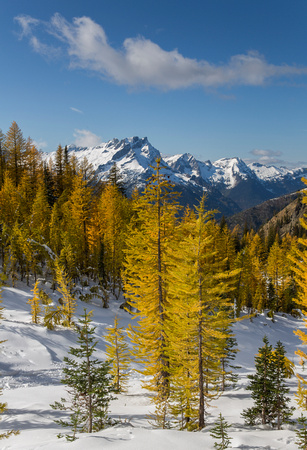
Larch grow between 6000 and 7000 feet on the east slope of the Cascades here in the Pacific Northwest and usually require a significant hike to be seen in any quantity. Their color is incredible if you hit it right, seen with snow and blue sky's makes it all the better, we had a real treat this last weekend.

    Image: 5D Mk III, 24-70f/2.8 L II, f/11, 1/200 at 35mm, ISO 100, hand held.
Larch, Buck Mountain and the Chiwawa range
Larger Image 

See more images from this trip at my Flickr page here

Ross


Thursday, September 26, 2013

Getting low to the ground

Image: 5D Mk III, EF 24-70 f/2.8L II, 35mm at f/16, 1/50th sec, tripod.


Image: 5D Mk III, EF 24-70 f/2.8L II, 28mm at f/16, 1/13th sec. tripod.


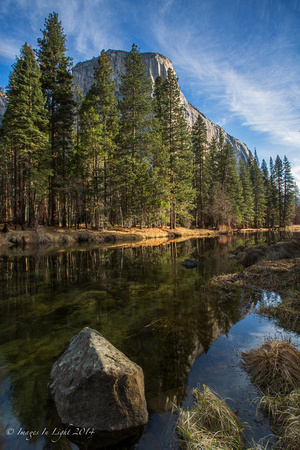
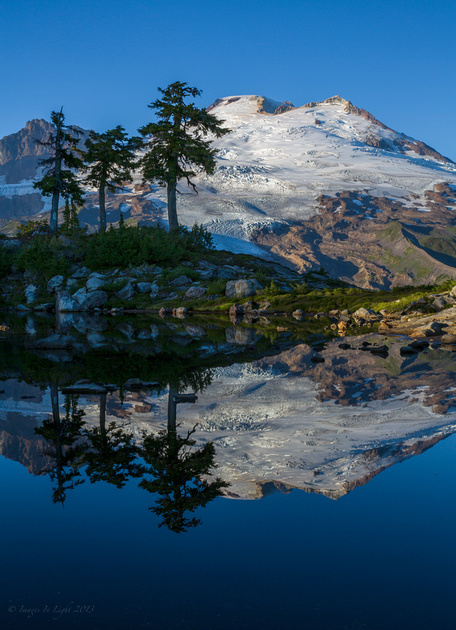
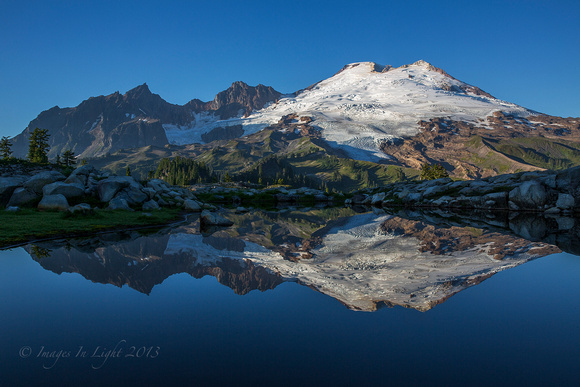
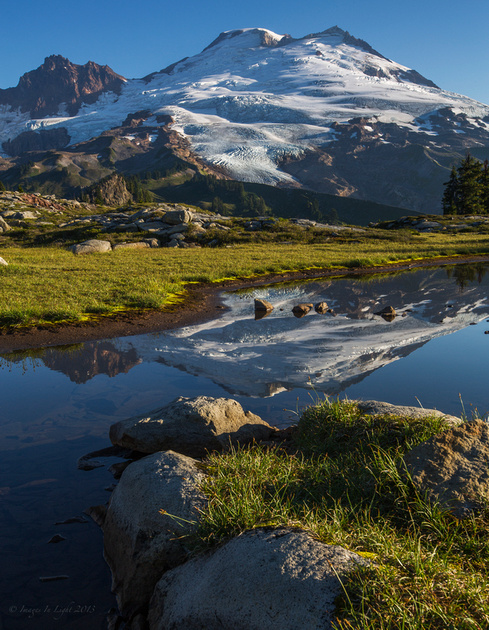
Getting down low and looking before you set up your tripod is how a lot of my images are taken, I wish I had shot this with my tripod fully extended so I could demonstrate the difference, but let me tell you it was huge, there was a guy from California (tripod at eye level) next to me, taking a similar shot as me, when I stood up to see what the reflection was, the top of the mountain was just barely reflected in the water, my camera lens was about 8 inches off the ground, tripod legs spread out fully 90° from the camera and ball head.

I did point out the reflection to him, but he would have none of that, oh well, I tried, we did however commiserate for a time before heading down the trail.

It doesn't have to be a lake, a tarn or a snow melt or stream will work, bend over and check before setting up a tripod, most reflections are down low.


Image: 5D Mk III, EF 24-70 f/2.8L II, 30mm at f/16, 1/50th sec. tripod.

Larger Image

No reflection but again I was down low getting my lens in the Alpine Heather, maybe 1 foot off the ground here focusing on the heather and shooting stopped down to f/16 for depth of field.

Ross

Saturday, September 14, 2013

The Perfect Landscape Lens


Image: 5D Mk III, EF 24-70 f2.8L II, 31mm, f/16, 1/50 sec, tripod.


I have been searching for the perfect landscape lens for a 35mm system since I was shooting film , ok so now that I've shown my age, what is the perfect landscape lens?

To me the perfect landscape lens would be a zoom as sharp as the best primes and with enough resolution to shoot f/64, but oh wait thats what the Large Format segment has, so now what? well at 35mm our minimum aperture is usually f/22, beyond that and diffraction would make our images so fuzzy you could hardly tell what you where looking at.

I never shoot beyond f/16, and with some lenses I wont go beyond f/11, with my newest lens, the EF 24-70 f/2.8L II, I have the first lens that Im not afraid to shoot at f/16, although it is sharper at f/11 I will still go to f/16 without hesitation and that is due to its resolution.


 Image: 5D Mk III, EF 24-70 f2.8L II, 35mm, f/16, 1/50 sec, tripod.


Canons super wide could still use some improvement now that the 24-70 and 70-200 have been improved to the point of equaling or bettering the competition, but I still like my EF 16-35 f/2.8L II and will stick with it.

I keep getting asked, "what is a good landscape lens" my answer is always, the best lens you can afford, not every one can afford the f/2.8 zooms or want to carry them all, I know I don't want to carry all that weight, there are compromise lenses, you just need to figure out their limitations and use them at there optimum aperture. Focal length? well I use 16mm all the way up to 300mm for landscape, but typical landscape images I take are probably between 24mm and 35mm.

So right now, my perfect landscape lens is the EF 24-70f/2.8L II


Ross