Showing posts with label Ef 70-200 f4L IS. Show all posts

Sunday, September 25, 2016

Canon 5D Mk IV field trip


Images In Light: Latest Work &emdash; Little Tahoma
Canon 5D Mk IV, EF 70-200 f/4 L IS, f/7.1, 135mm, 1/5 sec 

So far so good with the 5D Mk IV, finally got to take it out for a shoot, even though the conditions weren't ideal, I made the trip down to Mt Rainier. Though the Mountain wasn't in full view I was treated to some nice views of Little Tahoma, clouds swirled around its peak and I tried out the built in intervoltometer, its nice to have that feature built in now, instead of having to dig in to my bag for my remote. The 30 mp is ideal for the extra room to crop and the dynamic range is really exceptional. It renders black and white very nicely, less artifacts in the sky when you push the blue channel. Clouds are rendered especially well with the new sensor, a great subject to test a camera on.
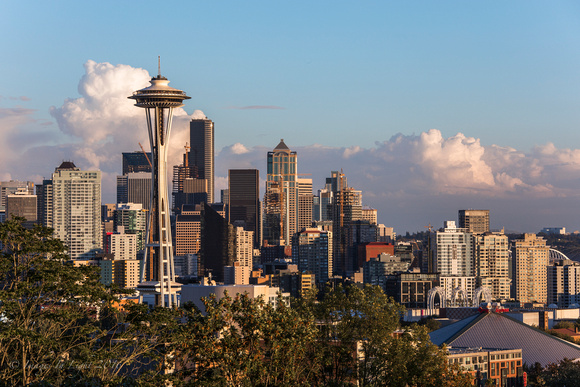

Images In Light: Seattlescapes &emdash;

Canon 5D Mk IV, EF 70-200 f/4 L IS, f/11, 121mm, 1/80 sec

The shot from Kerry park is one of my favorite places to shoot a cityscape and an excellent place to test a camera, I know it so well I can easily judge a cameras IQ when shooting here. Colors are the same Canon colors I've come to love. The detail in these images is quit amazing.

Lightroom 6.7 was released last week which supports the 5D Mk IV, quick work by Adobe. File sizes are quite large and it does take a bit more time to download from my CF card. However that's not a big issue compared to the whole process.

For both of these images I used Live View with the touch screen controle. Live view is something Canon is very good with and implementing the touch screen feature makes it almost seamless. Metering is as usual, excellent, especially with live view.

Shadow noise is what every one wants to know about, so far I'm very pleased, no more color noise or banding in shadows, noise that does appear after pushing shadows is very fine grained and un-obtrusive. Canon  has done a great job on this new sensor and I'm very pleased with the results so far. Further review of the 5D Mk IV will be upcoming. Stay tuned.

Ross

Tuesday, July 21, 2015

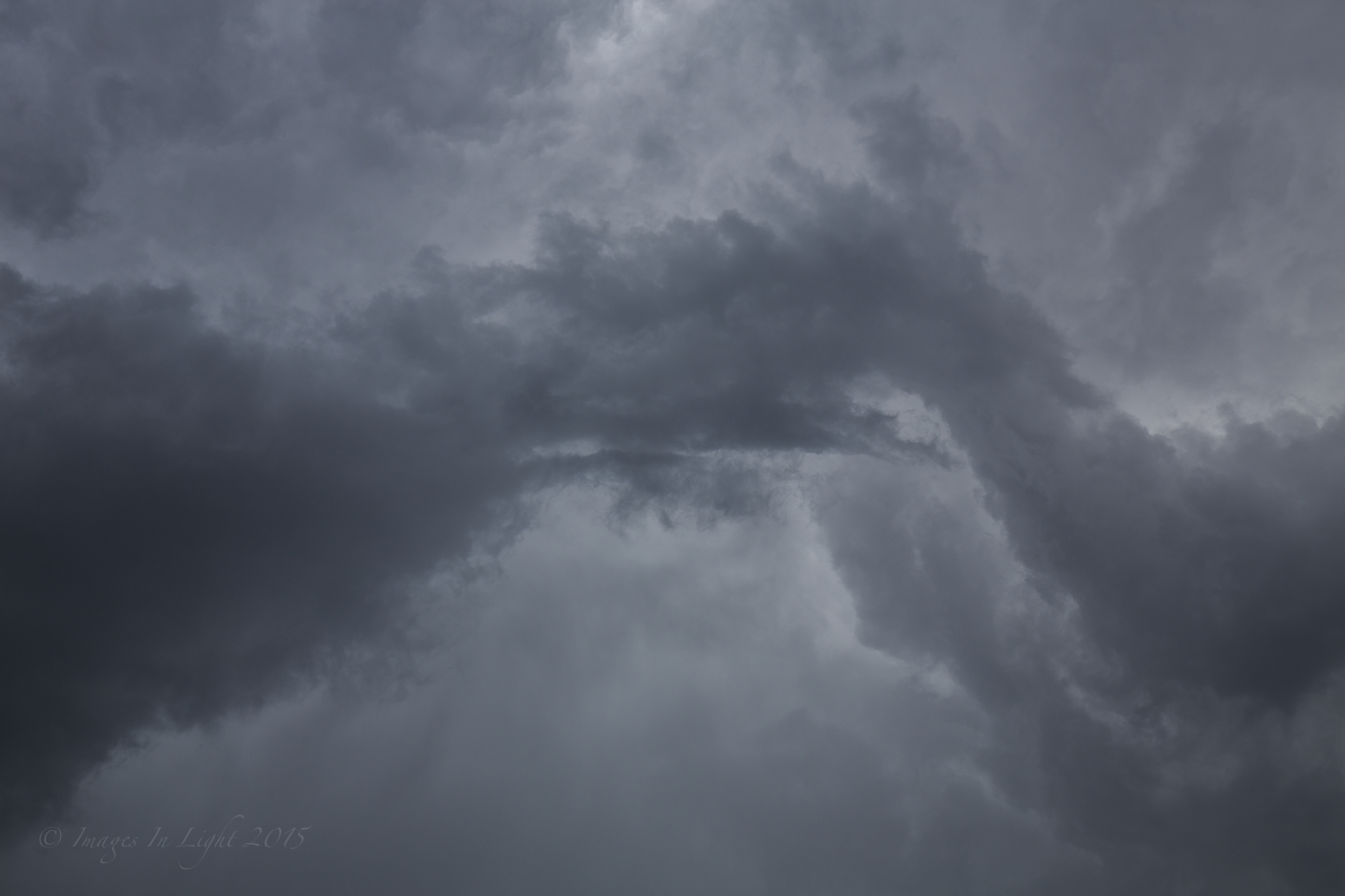
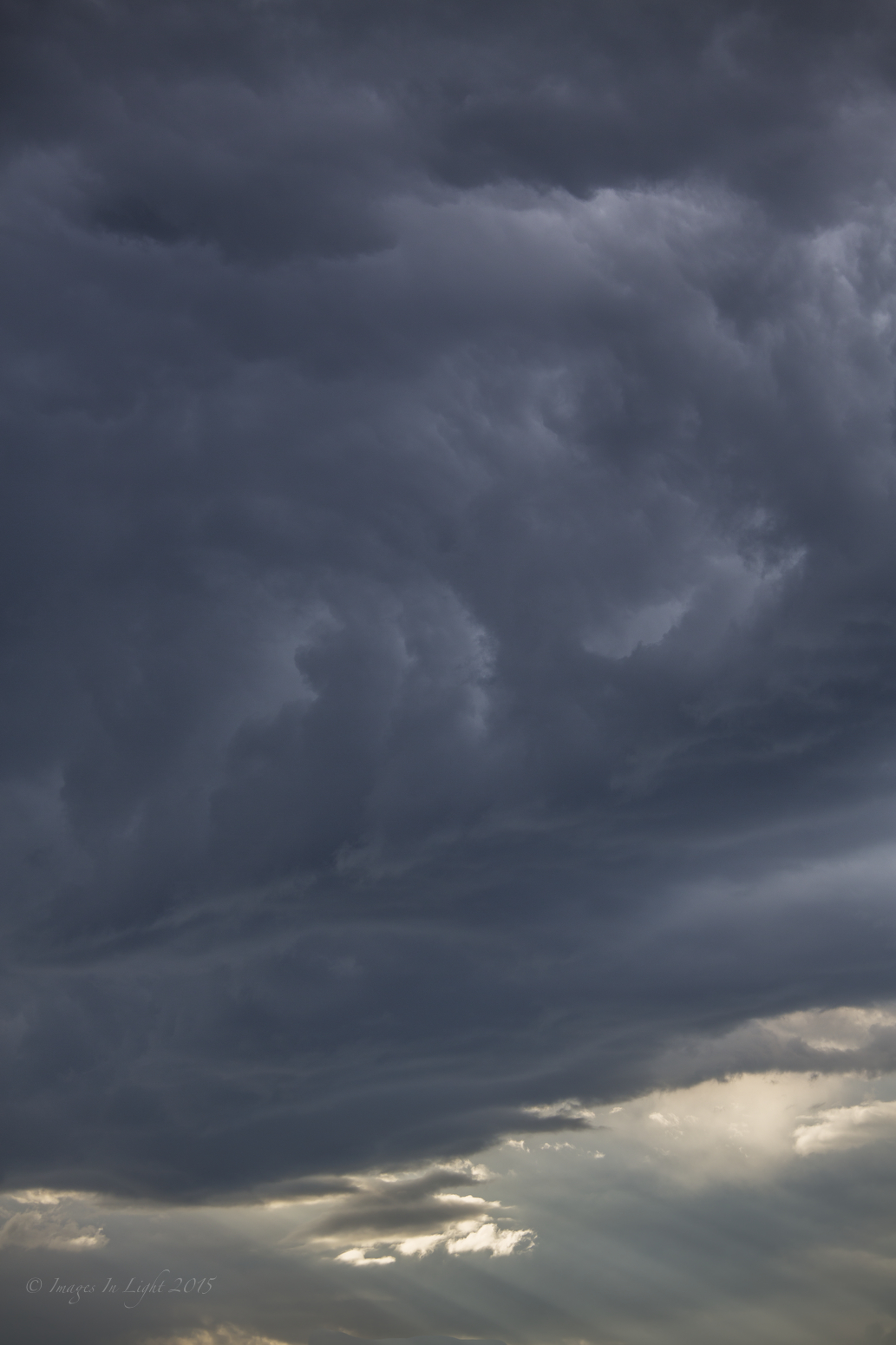
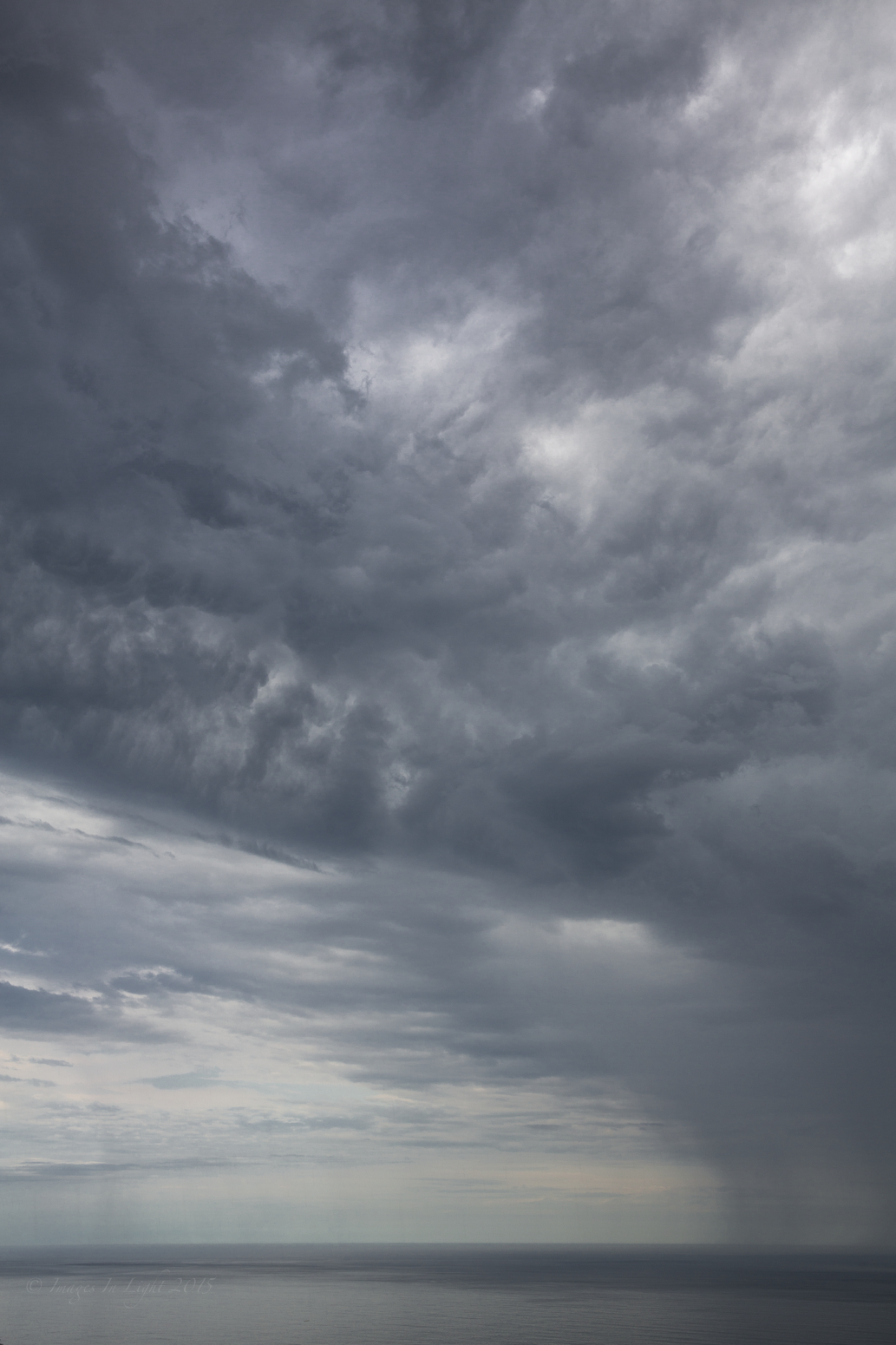
Stormy Weather


LR-0126_Ross_Murphy_201501

 5Dmk III, 24-70 f/2.8 L II, f/9, 1/125 sec, 35mm hand held

Ominous

5Dmk III, 70-200 f/4 L IS, f/4, 1/800 sec, 100mm hand held

LR-0168_Ross_Murphy_201501

 5Dmk III, 24-70 f/2.8 L II, f/10, 1/160 sec, 35mm hand held

I love shooting weather, one of these days I'll go storm chasing in the Midwest and chase some real weather, until then I will have to work with the occasional hurricane remnant that works its way up from Mexico like this one last weekend in Big Sur. 

I head out whenever possible if weather is in the forecast, the next trip to Yosemite will be based on that. Incoming weather is always a good opportunity for landscape photography, it sets a mood that sunny blue sky's just can't do. Ideally it happens at sunset or sunrise, adding that wonderful light to a moody sky.

Ross

Wednesday, July 1, 2015

Getting the right shutter speed for motion


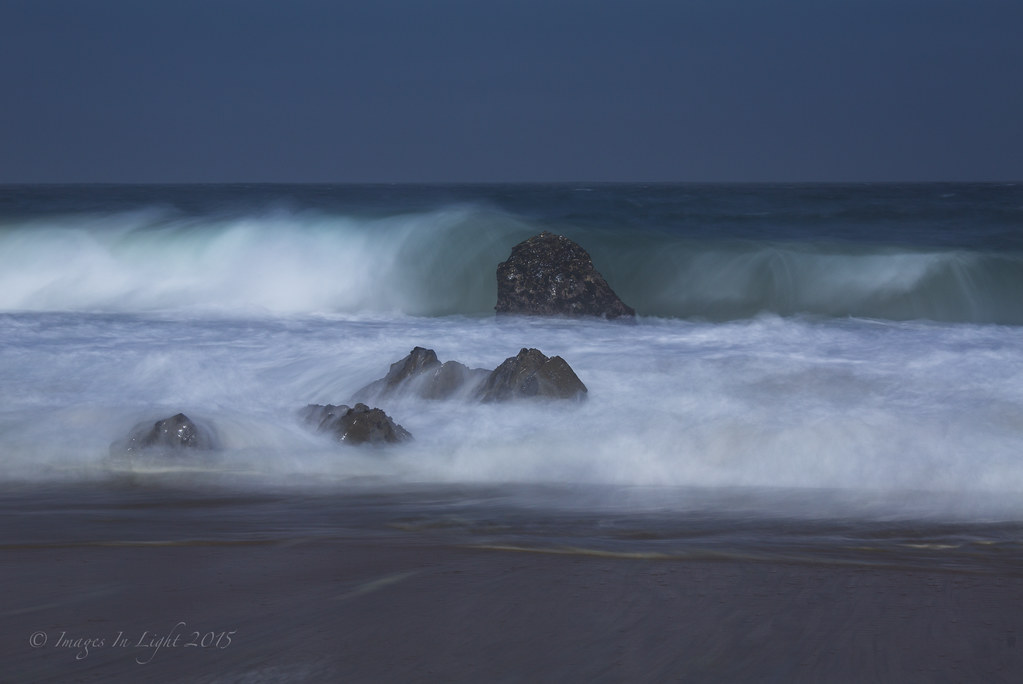
Garrapata Waves

Garrapata Beach. 5D Mk III, 70-200 f4 L IS, 1.3 sec at f/13

With neutral density filters you can get the shutter speed you want at almost any time of day, on this very bright morning at Garrapata I used a 6 stop filter on a 70-200 f/4 L IS lens to isolate the rocks and show movement in the waves. 

It takes a while in the morning for the sun to get over the hill behind the beach, so when it arrives its pretty intense in the summer, holding back the light with a neutral density filter helped to cut down on that very bright sun and give me the shutter speed I wanted to show some motion in the waves without completely smoothing out the water.

I could have used a 10 stop filter but the effect would have been more than I wanted, by using aperture priority I could have easily gone to 30 seconds and completely smoothed out the ocean, but I was looking for crashing waves with a small amount of motion to show the interaction with the rocks.

I have found for slight motion in waves .6 to 2 seconds is a pretty good rule of thumb to use depending on wave height and light conditions.

Ross

Tuesday, December 30, 2014

Color or Black and White


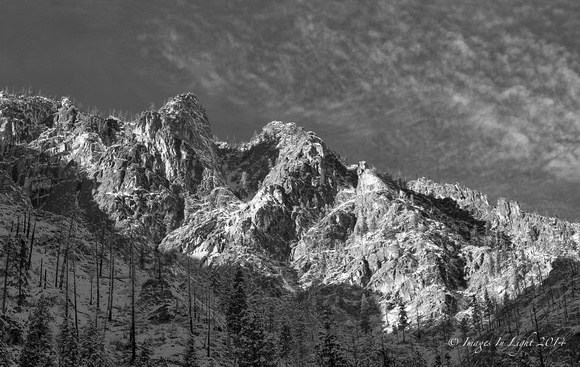
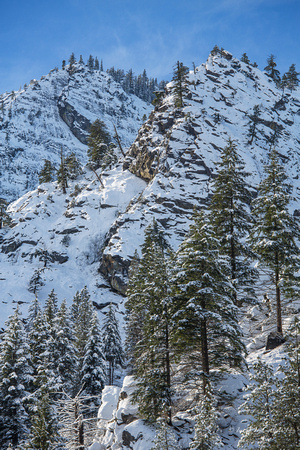
Choosing when to convert to black and white is not always easy, fortunately its as just a few clicks away in Lightroom. The above shots I took with black and white in mind, images with snow and rock always make for good conversions due to the high contrast.

 
Selecting the B & W tab will give you a quick preview of what your image will look like and then its a matter of processing how you like, the color slider increase or decrease the luminance of their corresponding color in the color image. Try making a virtual copy of the image and then use the compare tool to see which you like better.
 

Ross

Tuesday, November 4, 2014

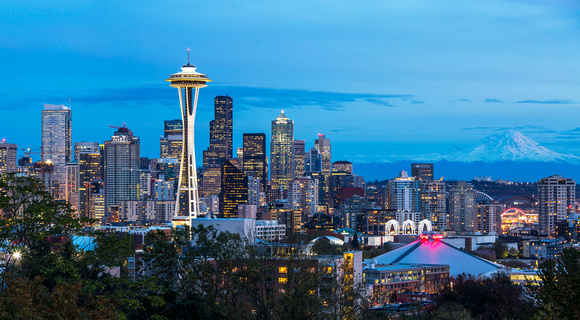
Seattlescape

5D Mk III, EF 70-200 f/4 L IS, f/9, 4 sec at 111mm

Two shot panorama of Seattle at dusk. Processed in Lightroom and CS6.  I like to shoot a city scape just after sunset at dusk, the city lights are visible and the sky has not yet turned black. Seattle is still my favorite city to shoot, there are many locations that offer excellent views like the classic one above, Kerry Park on Highland Ave.

More of my Seattlescapes can be found here

Ross

Monday, July 22, 2013

When to use AI Servo focus

  Image: 5D Mk III, EF 70-200 f/4L IS, 200mm at f/4, 1/500 sec.

Image: 5D Mk III, EF 70-200 f/4L IS, 200mm at f/4, 1/640 sec.

Image: 5D Mk III, EF 70-200 f/4L IS, 75mm at f/4, 1/800 sec.


I love to photograph Ducky, she is an energetic fast moving subject that loves to please,
so I set my camera up special for her ; ), its the same as if I was doing a sporting event or shooting wildlife in Yellowstone.

AI servo mode was made for moving subjects; in aperture priority, focus set to AI servo, drive set to high speed, ISO 100 and with my EF 70-200f/4L IS lens set to wide open at f/4, where I know its very sharp and has the depth of field to cover her eyes to ears, that also allows for a fast shutter speed on a sunny day, if its over cast I may use auto ISO, but if its sunny its ISO 100. I also aim for a minimum shutter speed of 1/125 sec, so a lot of the time I'm in auto ISO.

Zoomed in I use pretty much the center focus point for this type of shoot and keep it trained on her eyes at all times, zooming out as she moves towards me, refocus shoot, repeat, its pretty simple really and the auto focus of the 5D Mk III does the rest.

In menu settings: Case 6 (for subjects that change speed and move erratically), first image priority, manual AF point selection.

One thing about the 5D Mk III is, its auto focus is incredibly accurate and fast, with a little practice, it becomes second nature.


Ross